Master countable and uncountable nouns in English today

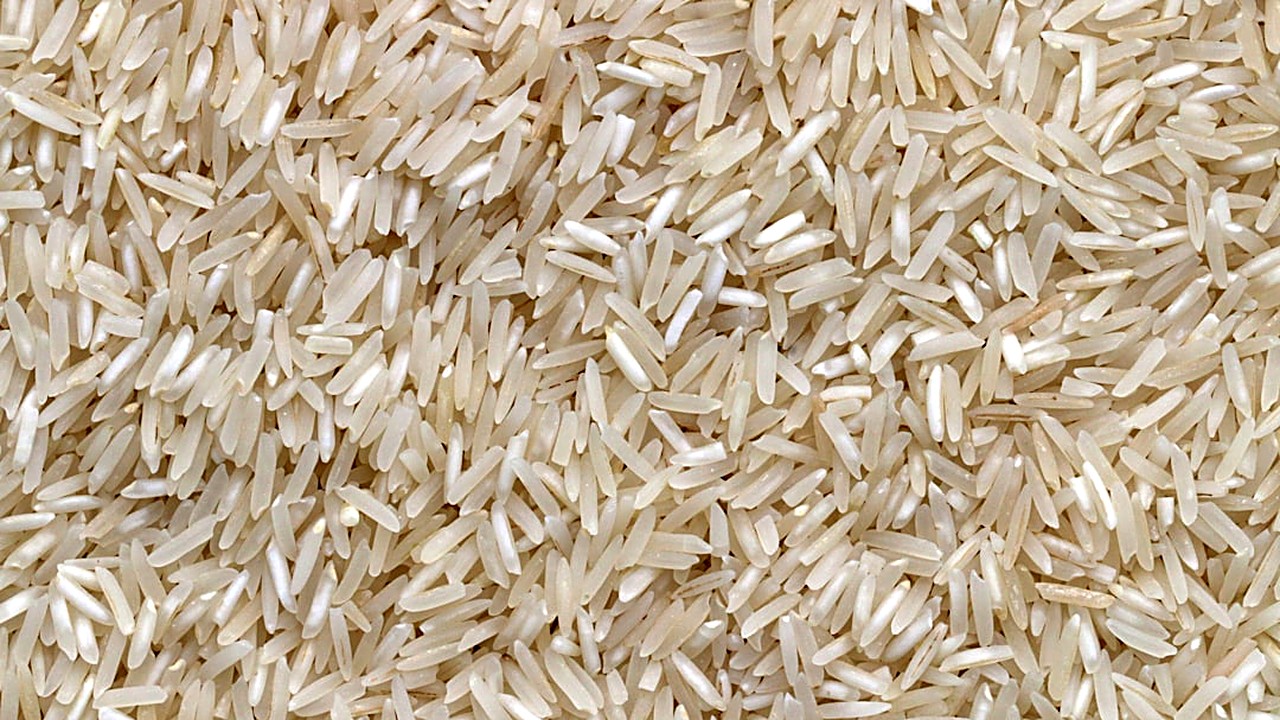
Quick answer: Countable nouns have singular and plural forms (one apple, two apples). Uncountable nouns have no plural and need words like 'some' or 'a little' (water, rice). Use 'a' or 'an' only with singular countable nouns.↗ Share on X
What are countable and uncountable nouns?
 How to Avoid the Most Common English Grammar Mistakes for Beginners →
 How to Improve English Pronunciation for Beginners in Simple Steps →
 English Grammar Rules: What You Need to Know Before You Start →
Nouns are words for things, people, or ideas. Some nouns can be counted. Others cannot. This difference changes how we use them in sentences.
Countable nouns are things we can count. They have a singular form (one) and a plural form (many). For example:
- One book, two books
- One car, three cars
- One idea, five ideas
Uncountable nouns are things we cannot count separately. They usually have no plural form. For example:
- Water (not waters)
- Rice (not rices)
- Information (not informations)
This difference is important because it affects the words we use with them.
I remember when my cousin first learned this. She kept saying "I need *a* water" because in her language, water is countable. We practiced with real objects in my kitchen. She saw that water flows, so we cannot count drops easily. That helped her understand why we say "I need water" without 'a'.
Level up — free guides in your inbox
How to recognize countable nouns
Countable nouns often have clear boundaries. You can see or touch the separate items. Look at these examples:
- Animals: cat, dog, bird
- Objects: chair, pen, phone
- People: child, teacher, friend
Countable nouns can be singular or plural. Singular nouns take 'a' or 'an' in front:
- A cat
- An apple
Plural nouns usually add 's' or 'es':
- Two cats
- Three apples
Some nouns change completely in plural form:
- Child → children
- Person → people
- Mouse → mice
How to recognize uncountable nouns
 Say vs Tell in English: The One Rule That Fixes It Fast →
 Modal Verbs for Advice: Should, Had Better or Must? →
 Past Simple or Past Continuous? The Simple Way to Choose →
Uncountable nouns usually represent things that are not separate. They include:
- Liquids: water, milk, coffee
- Powders or grains: sugar, salt, rice
- Abstract ideas: happiness, advice, news
- Materials: gold, wood, plastic
These nouns do not have plural forms. We never say "waters" or "rices". Instead, we use words like:
- Some water
- A little rice
- Much advice
Sometimes, the same word can be countable or uncountable depending on the meaning. For example:
- Paper (uncountable) = material for writing: "I need paper for my printer."
- Paper (countable) = a newspaper or document: "I read three papers every morning."
Common mistakes and how to avoid them
Many learners mix up countable and uncountable nouns. Here are the most common errors and how to fix them:
Mistake 1: Using 'a' or 'an' with uncountable nouns
Wrong: I need a water.
Right: I need water.
Wrong: She gave me an advice.
Right: She gave me advice.
Tip: Remember that uncountable nouns do not take 'a' or 'an'. If you feel you need to add 'a', use a different word:
- A piece of advice
- A glass of water
Mistake 2: Adding 's' to uncountable nouns
Wrong: I bought three breads.
Right: I bought three loaves of bread.
Wrong: She has two informations.
Right: She has two pieces of information.
Tip: For uncountable nouns that need counting, use a container or unit:
- A loaf of bread
- A piece of news
- A sheet of paper
Mistake 3: Forgetting to use 'a' or 'an' with singular countable nouns
Wrong: I have book.
Right: I have a book.
Wrong: She is teacher.
Right: She is a teacher.
Tip: Singular countable nouns always need 'a', 'an', or 'the' in front.
I once tutored a student who kept saying "I have pen" without 'a'. When I asked him to show me the pen, he realized he needed to add the small word. Small words matter in English!
Words that help with uncountable nouns
Since uncountable nouns cannot be counted directly, we use special words to show quantity. These include:
- Some: used in positive sentences
- I have some milk.
- She bought some rice.
- Any: used in questions and negative sentences
- Do you have any sugar?
- I don’t have any time.
- Much: used with uncountable nouns in questions and negatives
- How much water do you drink?
- I don’t have much money.
- Little / a little: show small amounts
- I have a little time.
- She has little patience.
- A lot of / lots of: show large amounts (used in all sentences)
- We have a lot of food.
- They drink lots of coffee.
- No: shows zero amount
- There is no milk left.
Words that help with countable nouns
For countable nouns, we use different words to show quantity:
- A few / few: show small numbers
- I have a few books.
- She has few friends here.
- Many: shows large numbers in questions and negatives
- How many apples do you want?
- I don’t have many coins.
- A number of: shows several items
- A number of students passed the test.
- Each / every: show individual items
- Each child gets a toy.
- Every day is a new start.
- Both / all: show total
- Both books are interesting.
- All students passed.
Special cases: nouns that change meaning
Some nouns can be countable or uncountable, but their meaning changes. Pay attention to these:
- Hair: usually uncountable (all the hair on your head)
- She has long hair.
- But: I found three hairs on my shirt. (countable, individual hairs)
- Light: uncountable (the opposite of dark)
- The room has good light.
- But: Turn on the lights. (countable, individual bulbs)
- Time: uncountable (general time)
- I don’t have time now.
- But: I visited the museum three times. (countable, occasions)
- Work: uncountable (general effort or job)
- She has a lot of work to do.
- But: She has three works of art in the museum. (countable, pieces)
Practice makes perfect: real-life examples
Let’s look at sentences from everyday life. Notice how the nouns change based on countable or uncountable rules:
1. At the grocery store
- Countable: "I need two apples and a loaf of bread."
- Uncountable: "I need some milk and a little sugar."
2. In the kitchen
- Countable: "Put the dishes in the sink." (many dishes)
- Uncountable: "Add salt to the soup." (general salt)
3. At work
- Countable: "She gave me two pieces of advice."
- Uncountable: "We need more information."
4. In the classroom
- Countable: "The teacher gave each student a book."
- Uncountable: "We learned a lot of English today."
Try writing your own sentences using these examples. Start with simple ones and then make them more complex.
Quick checklist for using nouns correctly
Keep this list handy when you write or speak:
✅ Countable nouns
- Have singular and plural forms
- Use 'a' or 'an' in singular
- Use 's' or 'es' for plural (usually)
- Use 'many', 'a few', 'each', 'every' for quantity
✅ Uncountable nouns
- Have no plural form
- Never use 'a' or 'an' directly
- Use 'some', 'any', 'much', 'a little' for quantity
- Use containers or units for counting (a glass of water, a piece of advice)
✅ Special cases
- Check if the noun changes meaning when countable or uncountable
- Use context to decide
Common phrases with countable and uncountable nouns
Learn these common phrases to sound more natural:
- Countable:
- A cup of coffee
- A bar of soap
- A pair of shoes
- A bottle of water
- A sheet of paper
- Uncountable:
- A glass of milk
- A bowl of rice
- A slice of bread
- A drop of water
- A piece of furniture
These phrases help you avoid mistakes and sound like a native speaker.
How to practice at home
You don’t need a teacher to practice. Try these simple activities:
1. Label objects: Take items from your home. Write "countable" or "uncountable" on sticky notes and place them on the objects.
2. Write sentences: Pick 10 nouns. Write 5 sentences using them correctly as countable and 5 as uncountable.
3. Listen and repeat: Watch English videos or listen to podcasts. Notice how native speakers use nouns. Repeat the sentences aloud.
4. Use a notebook: Keep a small notebook. Write down new nouns you learn. Add whether they are countable or uncountable.
5. Talk to yourself: Describe your day using only English. Pay attention to the nouns you use.
Remember, mistakes are part of learning. The more you practice, the better you will get.
Final tips for success
- Be patient: It takes time to master these rules. Don’t rush.
- Use flashcards: Write the noun on one side and 'countable' or 'uncountable' on the other. Test yourself daily.
- Read simple books: Children’s books or graded readers use clear language. They are great for practice.
- Ask for help: If you’re unsure, ask a friend or teacher. Even small corrections help.
- Keep learning: English is full of exceptions. The more you learn, the easier it gets.
I still remember when my brother struggled with 'furniture'. He kept saying 'furnitures'. We counted chairs and tables together. He realized furniture is one word for all objects in a room. That small lesson stuck with him.
Summary: Your action plan
Follow these steps to use countable and uncountable nouns correctly:
1. Identify if the noun is countable or uncountable.
2. Use 'a' or 'an' only with singular countable nouns.
3. Never add 's' to uncountable nouns directly.
4. Use the correct quantity words for each type.
5. Practice with real objects and sentences every day.
6. Learn from mistakes and keep improving.
With time and practice, using countable and uncountable nouns will become natural. You’ll speak and write English with confidence.
Frequently asked questions
Can I use 'a' or 'an' with uncountable nouns?
No. Uncountable nouns do not take 'a' or 'an'. For example, say 'I need water' not 'I need a water'. If you want to count, use a container like 'a glass of water' or 'a piece of advice'.
How do I know if a noun is countable or uncountable?
Countable nouns can be counted individually (one apple, two apples). Uncountable nouns cannot be counted separately (water, rice, information). If you can add 's' to make a plural, it is usually countable.
What words can I use with uncountable nouns?
Use words like 'some', 'any', 'much', 'a little', 'a lot of', or 'no'. For example: 'I have some milk', 'Do you have any sugar?', 'I don’t have much time'.
Why do some nouns change meaning when countable or uncountable?
Some nouns refer to general things (uncountable) but can also refer to specific items (countable). For example, 'light' is uncountable as general brightness, but 'lights' are countable as individual bulbs. Context tells you which to use.
How can I practice countable and uncountable nouns at home?
Label objects in your home as countable or uncountable. Write sentences using them. Listen to English videos and repeat sentences. Keep a notebook of new nouns and their types. Talk about your day using only English.