How to Pass the PMP Exam: A Clear Step-by-Step Guide


Quick answer: To pass the PMP exam, you must first complete 35 hours of project management training, submit your application to the Project Management Institute, and spend at least two to four months studying the official exam content. You will answer 180 questions in 230 minutes, covering predictive, agile, and hybrid working methods.↗ Share on X
To pass the PMP exam, you must first complete 35 hours of project management training, submit your application to the Project Management Institute, and spend at least two to four months studying the official exam content. You will answer 180 questions in 230 minutes, covering predictive, agile, and hybrid working methods.
Passing the Project Management Professional exam changes your career. It proves you know how to lead teams, manage budgets, and finish projects on time. But studying for it can feel confusing if you do not have a clear plan. This guide gives you the exact steps to follow from day one to test day.
Whether you are transitioning from another field or building a strong tech cert roadmap for your career, preparation is everything. Let us break down the exact path to getting your certification without wasting time or money.
Step 1: Meet the Exam Requirements First
 Pick the Right English Tense for Daily Life Easily →
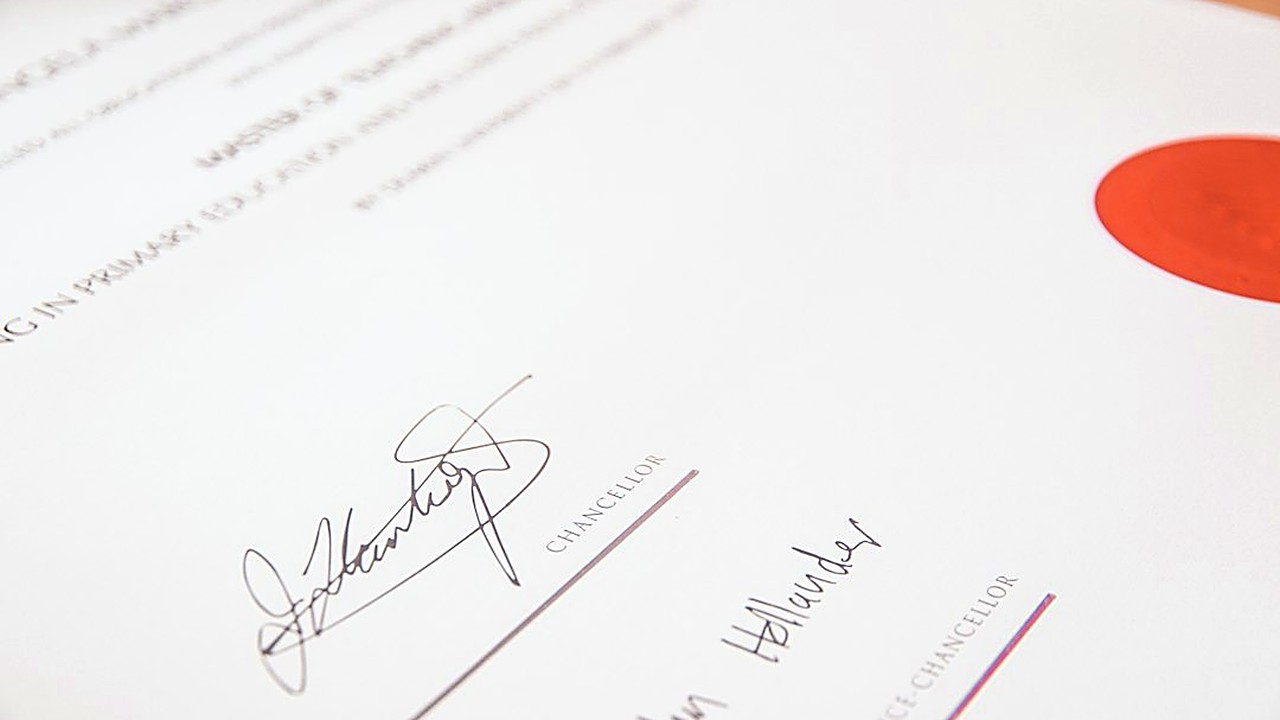 PMP Exam Study Plan: 12 Weeks From Zero to Test Day →
 How to Pass the PMP Exam: Eligibility to Test Day Plan →
Before you buy books or schedule study time, check if you are allowed to take the test. The Project Management Institute sets strict rules. You cannot just sign up and pay.
If you have a four-year college degree, you need:
- At least 36 months of unique experience leading projects.
- 35 hours of formal project management education or training.
If you have a high school diploma or an associate degree, you need:
- At least 60 months of unique experience leading projects.
- 35 hours of formal project management education or training.
Do not skip the 35 hours of training. You can get this by taking an online course through platforms like Udemy, Coursera, or local training centers. Look for a course that explicitly states it gives you the "35 contact hours" certificate needed for the application.
Level up — free guides in your inbox
Step 2: Build Your Daily Study Schedule
Passing this test requires a real commitment of your time. Most people need between 120 and 180 hours of total study time. If you study for two hours a day, plan for about three to four months of preparation.
Set a daily routine. Study at the same time every single day, whether that is early in the morning before work or late at night after your family goes to sleep. Consistency matters much more than studying for eight hours straight on a Sunday.
Treat your study sessions like a real job. Turn off your phone, close your email tabs, and focus only on the material. If you get distracted easily, use a timer to study in blocks of 25 minutes, followed by a 5-minute break.
Step 3: Gather the Right Study Materials
 PMP Exam: Essential Steps to Pass and Boost Your Career →
 PMP Exam Before You Apply: Hours, Cost, and Study Plan →
 PMP Exam Before You Apply: Hours, Costs, and Study Plan →
Do not buy twenty different books. Having too many sources will only confuse you. Stick to three core resources:
1. A PM Prep Book: Get a well-known preparation guide like the ones written by Rita Mulcahy or Andrew Ramdayal. These books explain difficult concepts in plain English.
2. Practice Question Banks: Buy a separate set of online practice exams. Reading about project management is not enough; you must train your brain to answer the specific style of questions used on the test.
3. Agile Practice Guide: The test focuses heavily on agile methods, where teams work in short cycles and adapt to changes quickly. Read the official agile guide provided by the Project Management Institute.
Step 4: Master the Three Ways of Working
Older versions of the test focused only on traditional, step-by-step project planning where everything is mapped out in advance. The modern test covers three distinct approaches. You must understand all three:
- Predictive (Waterfall): Best for projects where the final product is clear and changes are expensive or difficult to make, like building a bridge.
- Agile: Best for projects where requirements change often and you need to deliver small pieces of work quickly, like developing a mobile app.
- Hybrid: A mix of both predictive and agile. You might plan the budget and timeline using traditional methods, but build the actual product using agile teams.
When you read practice questions, always ask yourself: "Is this project using predictive methods or agile methods?" The right answer depends entirely on that context.
Step 5: Fill Out Your Application Correctly
Submitting your application can feel intimidating because the Project Management Institute audits a percentage of applications. Follow these rules to avoid getting audited or rejected:
- Write out your project descriptions clearly. Do not use heavy corporate buzzwords.
- Break down your experience by project. State your exact role, the objective of the project, and your specific responsibilities.
- Make sure your total months of experience add up correctly without overlapping.
- Keep the email addresses of your former managers handy in case your application is selected for an audit. They will need to click a link to verify your work history.
Once your application is approved, you will pay the exam fee and receive an eligibility code to schedule your test.
Step 6: Take Practice Exams Until You Consistently Score 80%
Do not schedule your test until you are passing your practice exams at home. Take at least three full-length practice tests under real conditions. That means sitting in a quiet room for 230 minutes without looking at your phone, pausing, or taking extra breaks.
| Practice Test Phase | Target Score | What It Means for You |
|---|---|---|
| First Practice Test | 55% to 65% | Normal baseline. Do not panic; you have gaps to fix. |
| Second Practice Test | 70% to 75% | Getting better. Focus heavily on the questions you got wrong. |
| Final Practice Test | 80% or higher | Ready to schedule your test date. |
When you review your wrong answers, write down *why* you got them wrong. Did you misread the question? Did you misunderstand a rule? Fixing these mistakes before test day is the secret to passing.
Step 7: Conquer Test Day Without Panic
On the day of your exam, whether you take it at a testing center or online from home, keep your routine simple. Eat a good meal, get your identification ready, and arrive early.
The test has 180 questions and lasts for 230 minutes. You get two 10-minute breaks. Use both breaks. Stand up, stretch, drink some water, and clear your mind. Do not skip your breaks, or your brain will get exhausted by question 140.
Remember how the test is scored. There is no penalty for guessing. If you do not know an answer, make your best guess and flag the question. Never leave a question blank.
Next Practical Step
Open a new browser tab right now and search for an online training course that offers the 35 contact hours you need. Enroll in that course today, and put your first study session on your calendar for tomorrow morning.
FAQ
How long does it take to study for the PMP exam?
Most people need between two and four months of dedicated study time, totaling about 120 to 180 hours of preparation.
Do I need a college degree to take the PMP exam?
No. You can take the exam with a high school diploma or associate degree, provided you have 60 months of project leadership experience and 35 hours of project management education.
What happens if I fail the PMP exam on my first try?
You can retake the exam up to three times within your one-year eligibility period, though you will have to pay a re-examination fee for each new attempt.