IELTS Reading Time Hacks to Finish All Questions

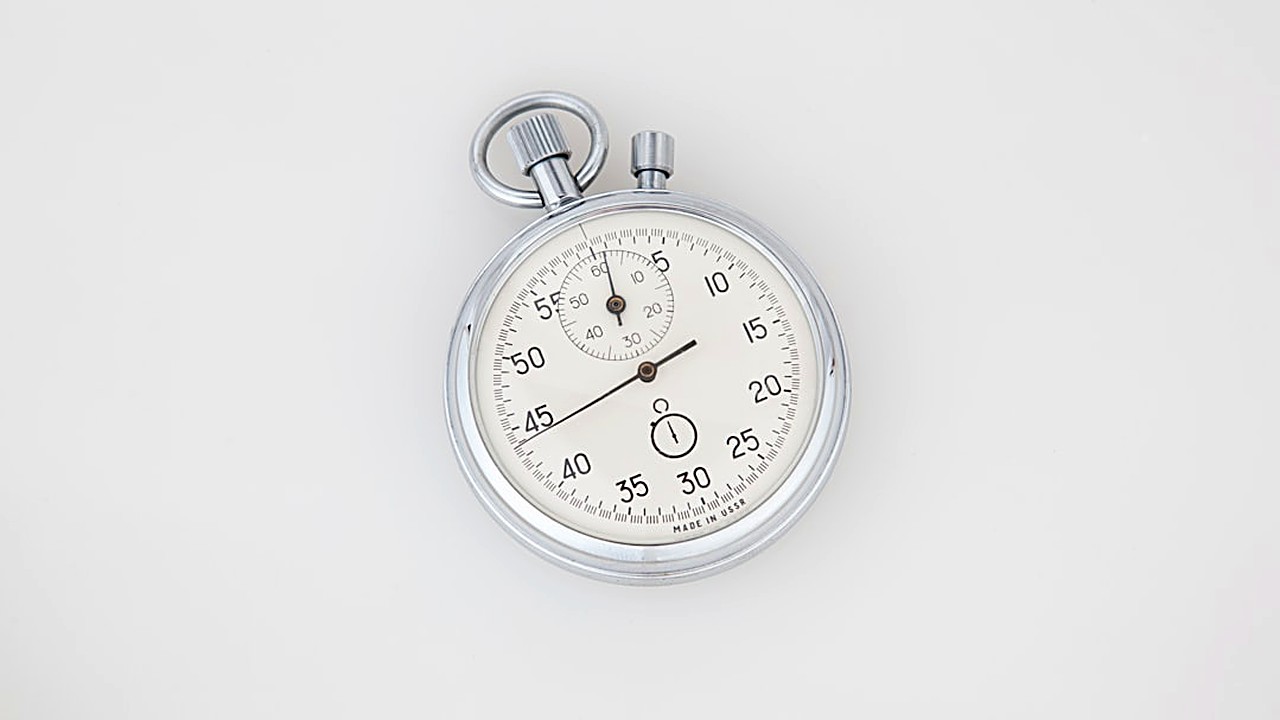
Quick answer: Read fast but smart. Spend 20 minutes per passage. Skip hard questions first. Check answers at the end. Practice with real tests to build speed.↗ Share on X
Why Time Management Matters in IELTS Reading
 Boost Your IELTS Speaking Fluency: A Solo Study Guide →
 How to Write a Strong IELTS Essay Introduction for Band 8 →
 Best Daily Study Routine to Score IELTS Band 8 →
Many students finish IELTS Reading with empty answers. They run out of time. This happens because they read every word slowly. Or they get stuck on one hard question. The test gives you 60 minutes for 3 passages. Each passage has 13-14 questions. That means you have about 20 minutes per passage. If you spend 30 minutes on one passage, you lose time for the others. The result? Lower scores even if you know the answers.
I once tutored my cousin for IELTS. She was great at grammar but struggled with time. She read every sentence twice. In one mock test, she answered only 20 questions in 60 minutes. After we practiced pacing, she finished all 40 questions in the next test. Her score jumped from 6.5 to 7.5. Time management made the difference.
Level up — free guides in your inbox
How to Split Your 20 Minutes per Passage
Break the 20 minutes into three parts. First 5 minutes: read the passage quickly. Next 12 minutes: answer all questions. Last 3 minutes: double-check answers. This split keeps you focused. It prevents wasting time on one question.
- First 5 minutes: Skim the passage. Look at headings, first sentences, and key words. Underline names, dates, and numbers. These often appear in questions.
- Next 12 minutes: Answer questions in order. If a question takes more than 1 minute, skip it. Mark it and come back later.
- Last 3 minutes: Fill in skipped answers. Check spelling and grammar. Make sure you did not miss any questions.
Practice this split with real IELTS tests. Use a timer. This builds muscle memory. You will feel more confident on test day.
Skip Hard Questions First to Save Time
 Best IELTS Speaking Part 2 Strategies That Really Work →
 How to Use IELTS Vocabulary in Everyday Conversations Effectively Every Day →
 How to Get IELTS Listening Band 8 with Smart Practice →
Some questions are tricky. They take too long. Examples include matching headings, sentence completion, or summary completion. If you spend more than 1 minute on one, skip it. Mark it clearly. Answer easier questions first. This keeps your score high even if you miss a few hard ones.
I saw this work with a student from Brazil. He loved matching headings. But he always spent 3-4 minutes per question. In one test, he did only 3 headings in 20 minutes. The rest were blank. After we changed his strategy, he skipped hard headings. He finished all questions. His score improved from 6 to 6.5.
Use Skimming and Scanning Like a Pro
Skimming means reading quickly to get the main idea. Scanning means looking for specific words or numbers. Both skills save time in IELTS Reading.
- Skimming: Read the first paragraph fully. Then read the first sentence of each paragraph. Skip details like examples or statistics unless needed.
- Scanning: Look for keywords from the question. If the question asks about "climate change in 2020", scan for "climate", "change", and "2020".
Practice skimming and scanning daily. Use news articles or blog posts. Time yourself. Aim to skim a 300-word passage in under 2 minutes. This speed helps in the real test.
Answer Easy Questions First for Quick Points
Not all questions are equal. Some take 10 seconds. Others take 5 minutes. Start with the easy ones. This builds confidence. It also saves time for harder questions.
Easy questions often include:
- True/False/Not Given (if the answer is clearly in the text)
- Multiple choice (if the options are short)
- Matching information (if the information is easy to find)
Hard questions often include:
- Matching headings (requires understanding the whole paragraph)
- Sentence completion (needs exact words from the text)
- Summary completion (needs careful reading)
Answer easy questions first. Then tackle the hard ones. This strategy maximizes your score.
Avoid Over-Reading: Focus on Key Words Only
Many students read every word. They waste time on details that do not matter. Instead, focus on key words. These are words that match the question or answer choices.
For example, if the question asks about "the cause of the problem", look for words like "cause", "problem", "reason", or "because". Ignore long explanations or examples unless they contain these words.
This trick helped my brother pass IELTS. He always read full paragraphs. In one test, he spent 10 minutes on a single question. After training, he focused only on key words. He finished the passage in 15 minutes and answered all questions correctly.
Practice with Real Tests to Build Speed
The best way to manage time is to practice with real IELTS tests. Use official Cambridge IELTS books. They have real past papers. Time yourself strictly. Review your mistakes. Learn why you missed questions.
- Do one full test per week.
- Time each passage separately.
- Review answers and note where you lost time.
This practice builds speed and accuracy. It also reduces stress on test day. You will know exactly what to expect.
What to Do If You Run Out of Time
Sometimes, even with good planning, time runs out. If this happens:
1. Fill in all blank answers with your best guess.
2. Do not leave any question unanswered. There is no penalty for wrong answers.
3. Move on. Do not panic. Focus on the next passage.
In one test, a student finished only 35 questions in 60 minutes. He guessed the last 5. His score was still 7.0. Guessing is better than leaving blanks.
Common Mistakes That Waste Time
Many students make the same mistakes. Avoid these to save minutes:
- Reading the passage word by word.
- Trying to understand every detail.
- Spending too long on one question.
- Not using the order of questions.
- Ignoring the instructions (e.g., write NO MORE THAN TWO WORDS).
Fix these mistakes in practice. Your speed will improve.
Final Check: Use the Last 3 Minutes Wisely
The last 3 minutes are crucial. Use them to:
- Fill in skipped answers.
- Check spelling and grammar.
- Make sure you did not miss any questions.
- Transfer answers to the answer sheet carefully.
This small step prevents careless mistakes. It can boost your score by half a band.
Build a Routine Before Test Day
Create a routine for test day. Stick to it in practice tests. This reduces stress. You will feel more in control.
Example routine:
- Wake up early and eat a good breakfast.
- Arrive at the test center 30 minutes early.
- Start with a quick warm-up (read a short article in 2 minutes).
- Follow your time management plan strictly.
This routine worked for me when I took IELTS. It kept me calm and focused.
Frequently asked questions
How long should I spend on each passage?
Spend exactly 20 minutes per passage. This includes reading, answering, and checking. Stick to the timer in practice tests.
What if I get stuck on a question?
Skip it after 1 minute. Mark it and come back later. Do not waste time. Your goal is to answer all questions, not perfect every one.
Should I read the questions first or the passage first?
Read the passage first. Skim it in 5 minutes. Then read the questions. This helps you know what to look for while scanning.
How can I improve my skimming speed?
Practice daily. Use news articles or blog posts. Time yourself. Aim for 2 minutes per 300-word passage. Use a highlighter to mark key words.
What is the best way to transfer answers to the answer sheet?
Transfer answers after each passage. Do not wait until the end. This prevents mistakes. Use a pencil to fill in bubbles clearly.