Two Weeks to Prepare for a Job Interview: A Day-by-Day Plan


Quick answer: Split the two weeks into three blocks. Days 1 to 4: read the job posting three times, research the company for 90 minutes, and write six stories from your own work. Days 5 to 10: record yourself, do two mock interviews, and prepare five questions for them. Days 11 to 14: test the logistics, pick your outfit, do a 45-minute final review, and rest.↗ Share on X
Two weeks is enough time to prepare well for a job interview if you split it into three blocks: days 1 to 4 for research and story building, days 5 to 10 for practice out loud, and days 11 to 14 for logistics, rest, and a final review. Most people waste the first week reading the company website over and over and then cram answers the night before. The plan below flips that. You do the thinking early, when your mind is fresh, and spend the last few days making sure nothing goes wrong on the day itself.
What should you do in the first four days?
 "Why Do You Want This Job?" A 30-Second Answer That Works →
 How to Use LinkedIn Recommendations to Prove Soft Skills →
 Career Gap Interview Answer: 3-Part Script With Examples →
The goal of this block is to know the job better than the other candidates and to have your own stories ready.
Day 1: Read the job posting three times. Print it or paste it into a document. Highlight every skill, tool, or responsibility mentioned. Count how many times each one appears. The ones that show up most are what the interviewer cares about. Write them in a list, most frequent first.
Day 2: Research the company for 90 minutes, not more. Find the answers to five questions:
1. What does the company sell, and to whom?
2. What changed in the last 12 months? Look for news, a new product, a new leader, a layoff, or an expansion.
3. Who will interview you? Check their title and how long they have been there.
4. What do current and former employees say about the culture? Read reviews, but weigh them lightly.
5. Who are the main competitors?
Write one sentence for each. If you cannot find an answer in 90 minutes, that itself is a good question to ask at the interview.
Day 3: Build your six stories. Almost every behavioral question maps to one of six themes. Write one real example from your own work for each:
| Theme | The question often sounds like |
|---|---|
| A problem you solved | "Tell me about a challenge you faced" |
| A time you led or influenced others | "Describe a time you had to persuade someone" |
| A mistake you made | "Tell me about a failure" |
| A conflict with a coworker | "How do you handle disagreement?" |
| A time you learned something fast | "Describe adapting to change" |
| A result you are proud of | "What is your biggest accomplishment?" |
For each story, write four short lines: the situation, what you had to do, what you actually did, and the result with a number if you have one. Keep each story under 90 seconds when spoken.
Day 4: Match your stories to the job list from Day 1. Next to each required skill, write which story proves you have it. If a skill has no story, think harder or be honest with yourself that it is a gap you will need to address directly.
Level up — free guides in your inbox
How do you practice in the middle six days?
Reading your answers is not practice. Saying them out loud is. This block is where most of the improvement happens.
Day 5: Record yourself answering "Tell me about yourself." Use your phone. Keep it under two minutes. Listen back. Most people discover they ramble, start with their childhood, or apologize. Rewrite it as three parts: what you do now, what you did before that is relevant, and why this job is the next step.
Day 6: Record your six stories. One at a time. Listen for filler words like "um," "like," and "basically." Count them. Record again and try to cut the count in half.
Day 7: Rest day, or light reading only. Skipping rest leads to burnout by Day 12.
Day 8: Do a mock interview with a real person. Ask a friend, family member, or former coworker to spend 30 minutes asking you the questions from Day 3. Tell them to interrupt if you go over two minutes on any answer. If no one is available, use a free online question generator and record yourself.
Day 9: Prepare your questions for them. Write five questions you genuinely want answered. Good ones:
- "What does success look like in this role after six months?"
- "What is the biggest challenge the person in this role will face in the first 90 days?"
- "How does the team make decisions when people disagree?"
- "What happened to the last person in this role?"
- "What is one thing you wish you had known before joining?"
Avoid questions you can answer from the website. Avoid salary and vacation unless they bring it up.
Day 10: Second mock interview, focused on weak spots. Go back to the recordings from Day 6. Pick the two weakest stories and redo them with your practice partner.
What goes in the last four days?
 'What Is Your Management Style?' Answer for Career Changers →
 Career Change Resume: Where to Put Your Freelance Projects →
 Career Change Resume: Where to Put Transferable Skills →
The hard thinking is done. Now you remove risk.
Day 11: Logistics. For an in-person interview, look up the route and the parking. Plan to arrive 15 minutes early. For a video interview, test the exact link, your camera, your microphone, and your internet speed at the same time of day as the interview. Set up your background. Charge everything.
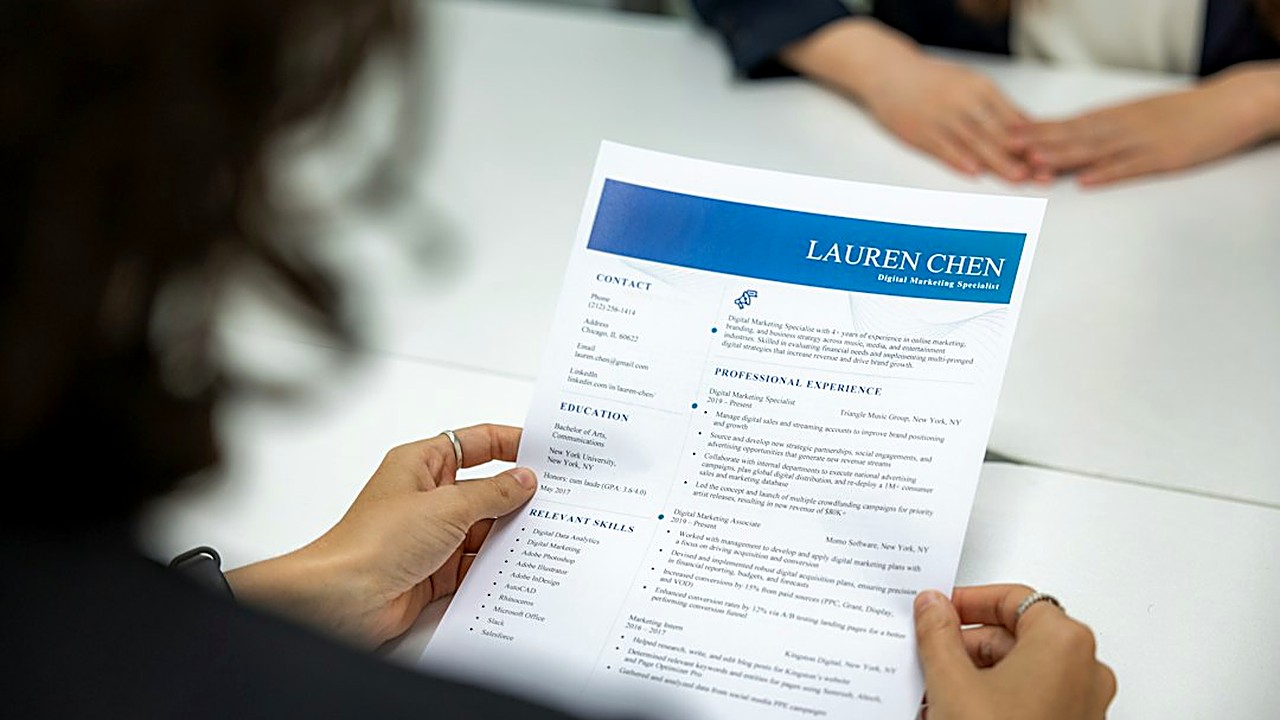
Day 12: Clothes and documents. Pick your outfit and try it on. Print three copies of your resume even if the interview is online, so you have one to glance at. Prepare a short list of references with phone numbers and email addresses, and contact those people to let them know they may get a call.
Day 13: Final review, 45 minutes maximum. Read your six stories once. Read your five questions once. Reread the job posting once. Then stop. Do something unrelated for the rest of the day.
Day 14: Interview day. Eat a real breakfast. Arrive early. Bring water. In the first minute, smile, say the interviewer's name, and thank them for the time. Let the rest follow.
Switching careers? How to use stories from another field
This is the most common worry, and it is manageable. Interviewers for career changers are not looking for a perfect match. They are looking for proof that your skills transfer.
Do three things:
1. Translate the vocabulary. If your old job called it "handling customer escalations" and the new field calls it "stakeholder management," use the new field's words in your stories.
2. Lead with the result, not the setting. "I cut a 3-day process down to 4 hours" matters more than whether it happened in a restaurant, a warehouse, or an office.
3. Address the gap in one sentence, then move on. Something like: "I know I have not worked in this industry before. Here is what I have already done to close that gap." Then name a course, a project, or a conversation you have had.
Do not apologize for the switch more than once. Repeated apologies make the interviewer doubt you.
How do you handle a question you did not prepare for?
Pause for two seconds. Say, "Let me think about that for a moment." Then pick the closest story from your six and adapt it. Interviewers rate a thoughtful pause higher than a fast ramble.
If you truly have no example, say so and describe how you would approach the situation. Honesty here is far better than inventing something you cannot back up when they ask a follow-up.
A one-page checklist for the night before
- Six stories written and practiced out loud
- Two-minute "tell me about yourself" ready
- Five questions for the interviewer written down
- Interviewer names and titles memorized
- Route or video link tested
- Outfit laid out
- Three printed resumes
- Phone charged and set to silent
- Alarm set with a 30-minute buffer
If every box is checked, you have done more than most candidates. Go to sleep.
Next step
Open a blank document right now and complete Day 1: paste the job posting and highlight every skill it mentions. That takes 20 minutes and gives you the list that every other day in this plan depends on. Tomorrow, start on the company research with a 90-minute timer running.
FAQ
Is two weeks enough time to prepare for a job interview?
Yes. Two weeks gives you four days for research and story building, six days for practicing out loud, and four days for logistics and rest. Most candidates prepare for less than that.
How many stories should I prepare for behavioral interview questions?
Six is enough: a problem you solved, a time you led others, a mistake, a conflict, a time you learned fast, and a result you are proud of. Nearly every behavioral question maps to one of them.
What should I do the night before a job interview?
Run a short checklist: stories practiced, questions written, route or video link tested, outfit laid out, resumes printed, phone charged, alarm set with a 30-minute buffer. Then stop and sleep.