Mastering Video Interviews After a Big Career Shift

Quick answer: Preparing for a video interview after a career change requires a dual focus: mastering the technical setup and clearly articulating your career journey. Practice your story, highlight transferable skills, and ensure your environment supports a professional image. This approach helps you shine, even with a new professional path.↗ Share on X
Changing careers is a brave step. It shows courage, adaptability, and a strong desire to grow. But once you land that interview, especially a video one, new challenges appear. How do you present your past experience in a new light? How do you make a strong impression through a screen? Many people feel a bit lost here. This guide will help you prepare thoroughly, turning your career change into a strength.
Video interviews are now common. They save time and allow companies to meet candidates from anywhere. For career changers, they offer a chance to show your personality and passion, beyond what a resume can say. But they also demand careful planning. You need to manage technology, your environment, and your story. Let's break down how to get ready.
Get Your Tech and Space Ready
 Pick the Right English Tense for Daily Life Easily →
 Do Resume Tips Really Work? 9 Fixes Recruiters Notice →
 7 Resume Myths That Quietly Kill Your Job Applications →
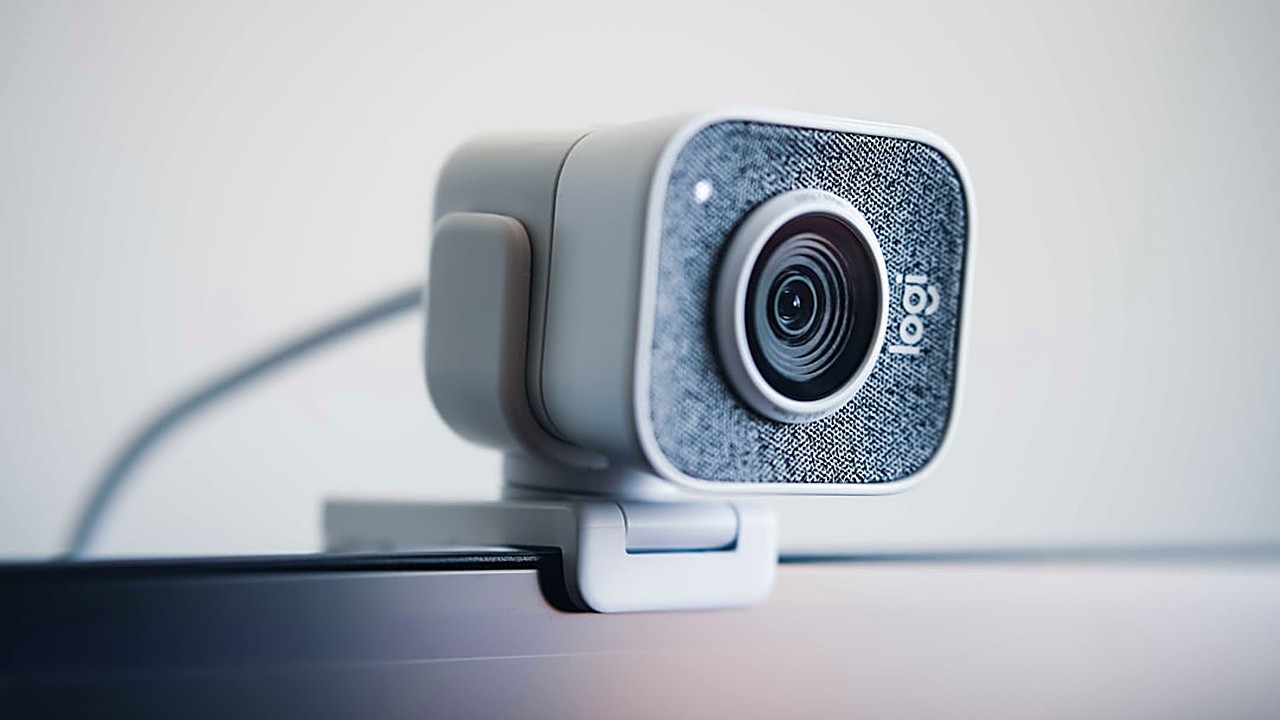
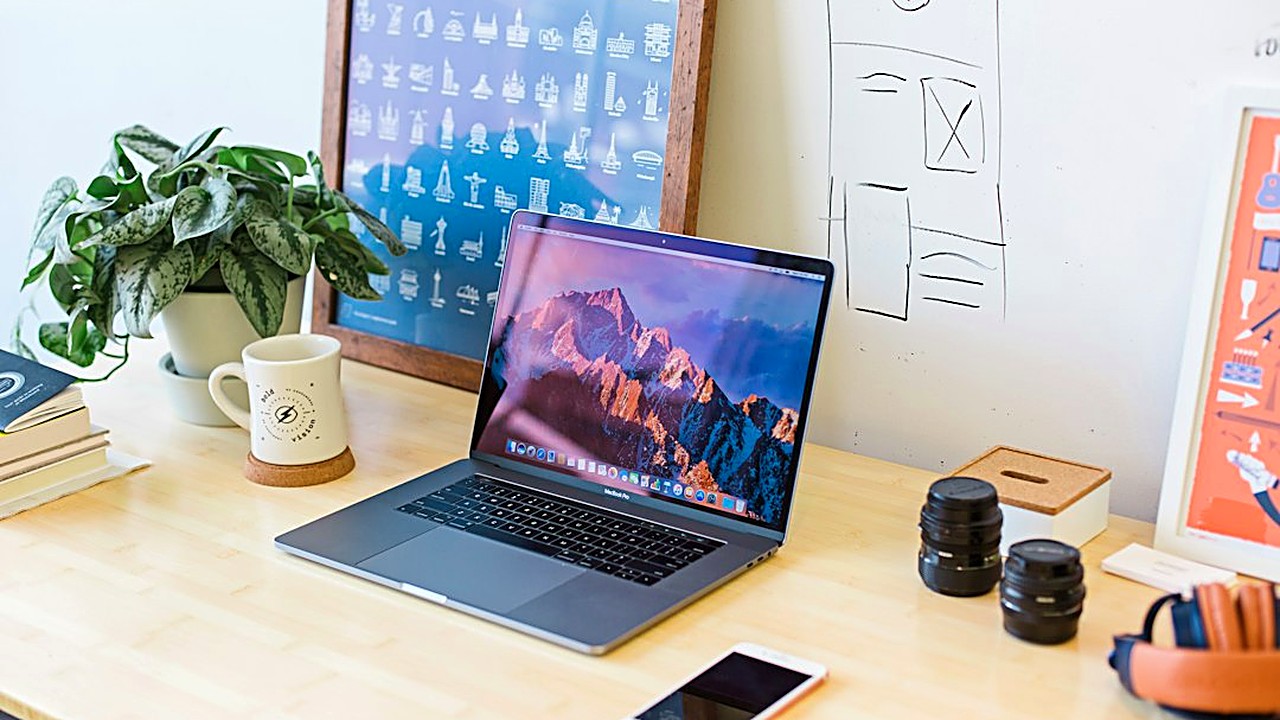
Your technical setup is your first impression. A clear picture and crisp sound make a strong impact. Start by checking your internet connection. Is it stable? A dropped call can disrupt your flow and show a lack of preparation. Test your camera and microphone well before the interview. Use headphones if they help reduce background noise and improve sound quality. This simple step can make a big difference.
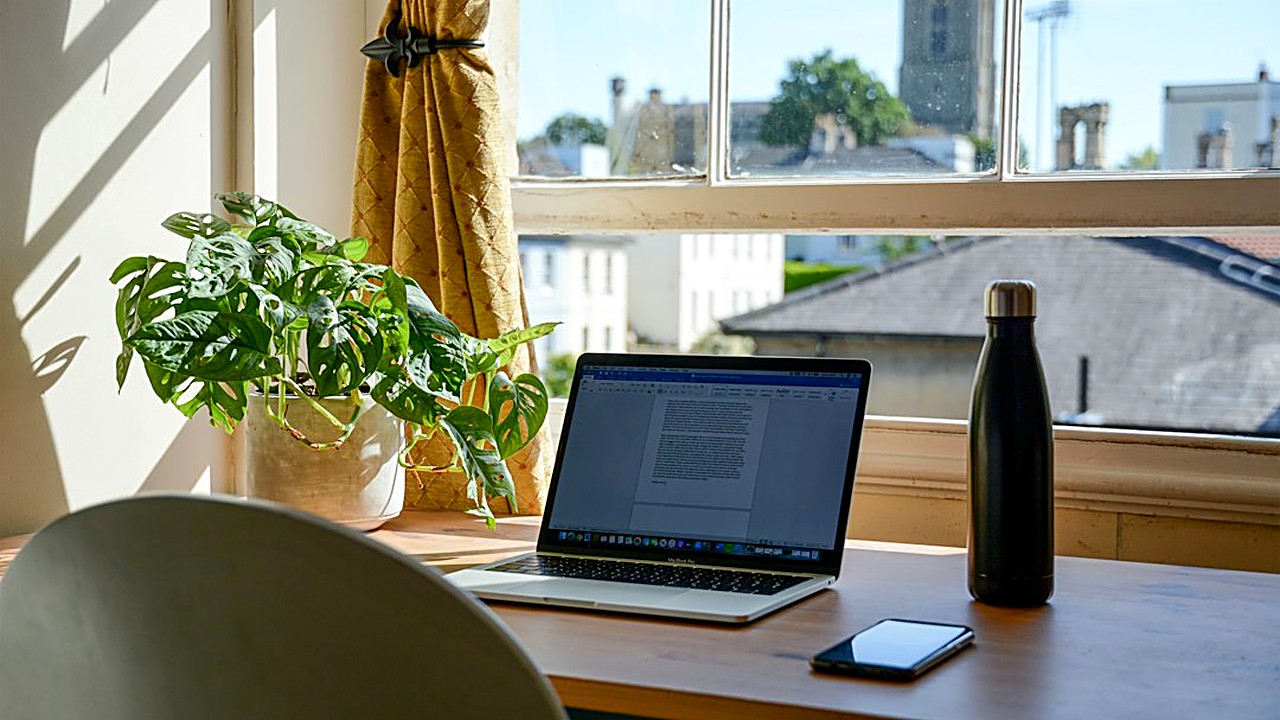
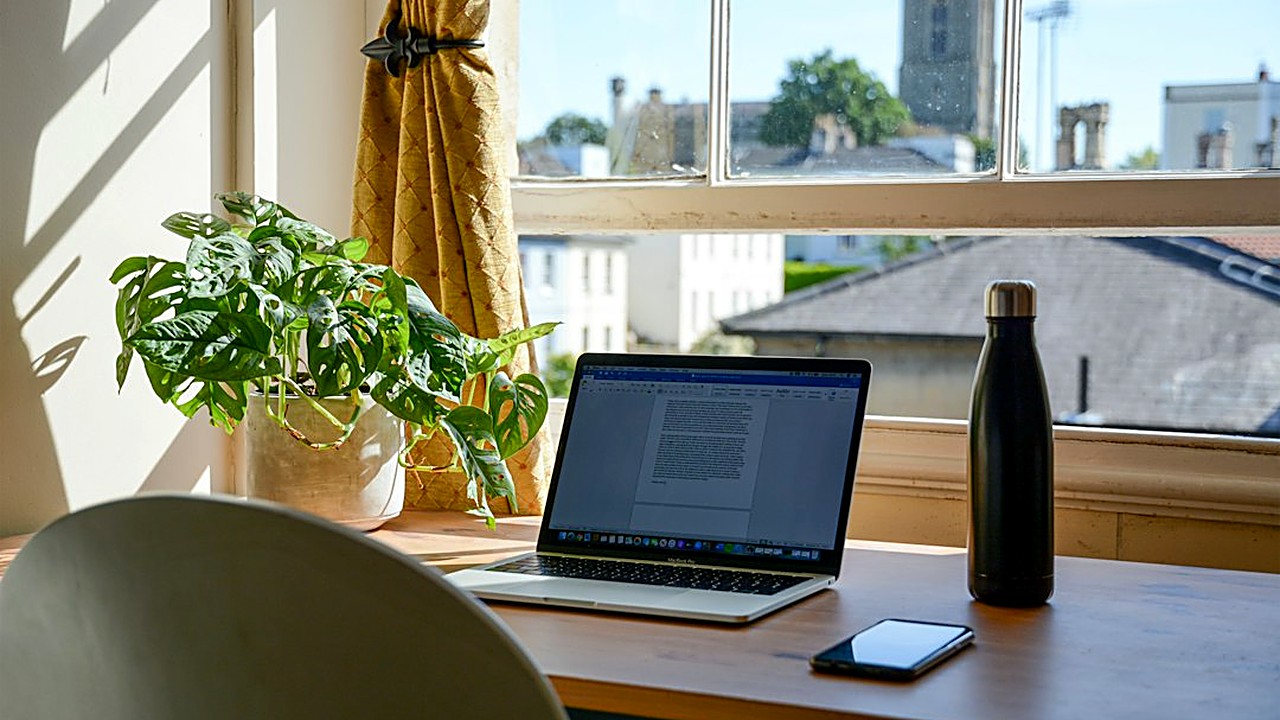
Next, think about your lighting. Natural light from a window in front of you is best. Avoid having a bright light source behind you, as it will make you look like a silhouette. Your background also matters. Choose a clean, simple space. A plain wall or a tidy bookshelf works well. Remove anything distracting. No one wants to see a pile of laundry or a messy kitchen. When I first navigated my own career changes starting in 2015, video interviews were still quite new for many roles. I learned quickly that technical glitches can really throw you off. A quiet space is also key. Inform family or housemates about your interview time. Turn off phone notifications and close unnecessary computer tabs. These small details show professionalism and respect for the interviewer's time.
Level up — free guides in your inbox
Craft Your Career Change Story
This is where your career change becomes a powerful narrative. You need to explain *why* you made the shift and *how* your past experience prepares you for this new role. Don't just list your old jobs. Connect the dots. Think about the skills you gained in your previous career. Were you a problem-solver? A great communicator? A project manager? These are often called transferable skills. They are valuable in almost any role.
Use the STAR method to structure your answers. STAR stands for Situation, Task, Action, Result. For example, if you moved from teaching to marketing, you might say: "Situation: In my teaching role, I noticed many students struggled with complex topics. Task: I needed to create engaging materials that simplified these ideas. Action: I developed interactive presentations and short video tutorials, breaking down information into digestible parts. Result: Student engagement and understanding improved significantly, reflected in higher test scores and positive feedback. This experience taught me how to explain complex ideas clearly and persuade an audience, skills I believe are essential in marketing." This method helps you tell a complete, impactful story. Prepare several STAR stories that highlight skills relevant to your new career path. Practice saying them out loud. Make sure they sound natural and confident.
Practice Your Performance and Presence
 Changing Careers? 7 Ways to Show Emotional Intelligence →
 Resume Myths vs Facts: What Actually Gets You Hired →
 Resume Tips Worth Following, and the Ones You Can Skip →
Practice is not just about memorizing answers. It's about building confidence and comfort in front of the camera. Record yourself answering common interview questions. Watch the playback. How do you look? How do you sound? Pay attention to your body language. Sit up straight. Maintain eye contact by looking at your camera lens, not just the screen. Smile naturally. These non-verbal cues are just as important as your words.
Engage in mock interviews with a friend or mentor. Ask them to give you honest feedback. What did you do well? What could be improved? Helping friends informally with their resumes and interview prep over the years, I often see how much confidence a well-rehearsed story can bring. It's not about being fake; it's about being prepared. Think about potential questions specific to career changers: "Why this change?" "What challenges do you expect?" "How do your past skills apply here?" Have clear, concise answers ready. Your enthusiasm for the new field should shine through. Show genuine interest in the company and the role. This passion can be a huge asset, especially when you're transitioning.
Research Beyond the Job Description
Knowing the company well shows you are serious about the role. Don't just read the job description. Explore their website. Look at their mission, values, and recent news. Check their social media. What projects are they working on? Who are their competitors? This deeper understanding allows you to tailor your answers. You can connect your skills and experiences directly to their needs and culture. For example, if the company values innovation, share a story about a time you innovated in your previous role.
Also, try to find out who will be interviewing you. A quick search on professional networking sites can reveal their background. Knowing their role or projects might help you find common ground or tailor a question for them. Prepare a few thoughtful questions to ask the interviewer at the end. These questions should show your interest and critical thinking. Avoid asking about salary or benefits in the first interview unless they bring it up. Focus on the role, the team, or the company's future. A good question can leave a lasting positive impression.
Follow Up with Impact
The interview doesn't end when you click 'leave meeting.' A strong follow-up can reinforce your interest and professionalism. Send a thank-you email within 24 hours. Keep it concise and personalized. Refer to specific points discussed during the interview. This shows you were listening and engaged. Reiterate your enthusiasm for the role and the company. Briefly mention why you believe your unique background, including your career change, makes you a great fit.
For example, you might write: "Thank you for your time today. I especially enjoyed discussing [specific project or idea]. My experience in [previous field] taught me [transferable skill], which I believe will be very useful for [specific aspect of new role]. I am very excited about the possibility of joining your team." This thoughtful approach keeps you top-of-mind. It's a final chance to make a positive impression and show your commitment to this new career path. Your career change is a testament to your growth mindset. Embrace it, prepare well, and you will succeed.
Frequently asked questions
How do I explain my career change in a video interview?
Clearly state your 'why' – your motivation for the change. Focus on the positive aspects and how your new career aligns with your goals. Use the STAR method to share stories that highlight transferable skills from your past roles, showing how they benefit your new path.
What if I have technical issues during the video interview?
Prepare a backup plan. Have your interviewer's phone number ready in case of a connection drop. If issues arise, calmly explain the situation and ask if you can reconnect or switch to a phone call. Test your equipment thoroughly beforehand to minimize problems.
How important is my background for a video interview?
Your background is very important. Choose a clean, simple, and professional setting. A plain wall or a tidy, uncluttered area works best. Avoid busy patterns or distracting items. A professional background helps you appear focused and organized.
Should I mention my career change in every answer?
No, not in every answer. Weave it into your narrative when it's relevant, especially when discussing your motivations, strengths, or how you handle challenges. The goal is to show how your past experience, including the change, makes you a stronger candidate for the new role.
What kind of questions should I ask at the end of a video interview?
Ask thoughtful questions that show your interest in the role, the team, or the company's future. For example, 'What are the biggest challenges someone in this role would face?' or 'How does the team collaborate on projects?' Avoid questions about salary or benefits in the first interview.